Article 70
From Snake-Charmers to Spectators: The Age of Fiscal Dominance
Westminster Asset Management Investment Strategist Peter Lucas examines the changing role of central banks. For three decades they convinced us they were in charge, smoothing downturns and keeping inflation tame. Soaring debts, ageing populations, and fragile bond markets mean that era is now over. The real driver of markets now is fiscal policy – welcome to the age of fiscal dominance.
For the best part of thirty years, central banks managed markets and the economy like financial snake-charmers. By convincing everyone they were in control, they kept inflation expectations low and stable, and ensured that credit was plentiful and cheap. But all was not well. Cutting interest rates into every downturn smoothed the business cycle, but at great cost. Each rate-cutting cycle left debt at a new, higher level. The very stability central banks fostered encouraged excessive risk-taking and malinvestment. In making the short term safer, they created a more uncertain future.
The end of the ‘Great Moderation’?
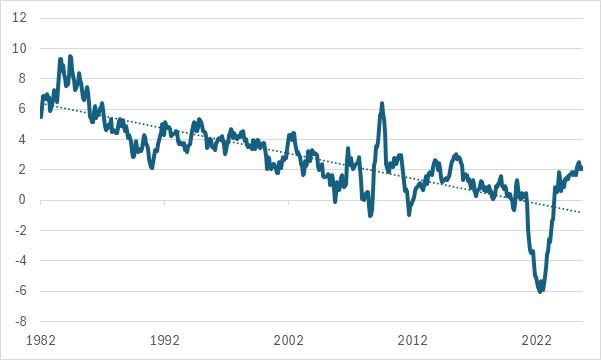
The first cracks appeared during the financial crisis, when credit markets seized up as the property boom soured. Central banks intervened with even more extreme measures like quantitative easing, buying bonds and flooding the system with liquidity. Stability was restored, but their reputations were dented. They were no longer seen as omnipotent, but they were still respected.
Fast forward almost two decades, and government debt has ballooned to levels unheard of in peacetime. Covid lockdowns, populist spending, and attempts to tackle inequality and stagnating incomes all played a role – ironically, all unintended consequences of central bank policy.
The debt arithmetic now makes for uncomfortable reading. When national debts exceed 100% of GDP, as they do in many cases, they can quickly spiral out of control if interest rates run above nominal GDP growth. Economists call this a “debt trap.” Looking ahead, the costs of ageing populations make the picture even grimmer.
This leaves central banks trapped. Tighten too much, and debt dynamics become impossible: bond investors balk, yields spike, and fiscal crisis follows. Tighten too little, and inflation takes off, bond yields rise, and fiscal crisis follows anyway. The higher debt climbs, the less room to manoeuvre that central banks have. Of the two paths, tolerating higher inflation is the lesser evil, because negative real interest rates quietly reduce the real value of debt.
Yet central banks still insist they are committed to holding inflation at or below an arbitrary figure – typically 2%. If investors stop believing that promise, bond yields will rise to reflect the uncertainty, making their job harder still. The rising gold price may be the first sign that their crown is already slipping.
The real test will come when central banks are forced to step into bond markets again, much as the Bank of England did after the Liz Truss “mini budget” in 2022. Will they manage to restore confidence, as the Bank of England briefly did, or will intervention make matters worse? If inflation expectations are already drifting higher, there is a real risk of the latter outcome – a crisis in the bond market itself.
The conclusion is hard to escape. Central banks have been neutered by massive government debts. The golden age of low, stable inflation and interest rates is over, and a new regime of fiscal dominance has begun.
In this new world, politics drives policy. Bond markets set the limits. And central banks, once the snake-charmers of global finance, are reduced to spectators